
Original price was: Le170.00.Le140.00Current price is: Le140.00.
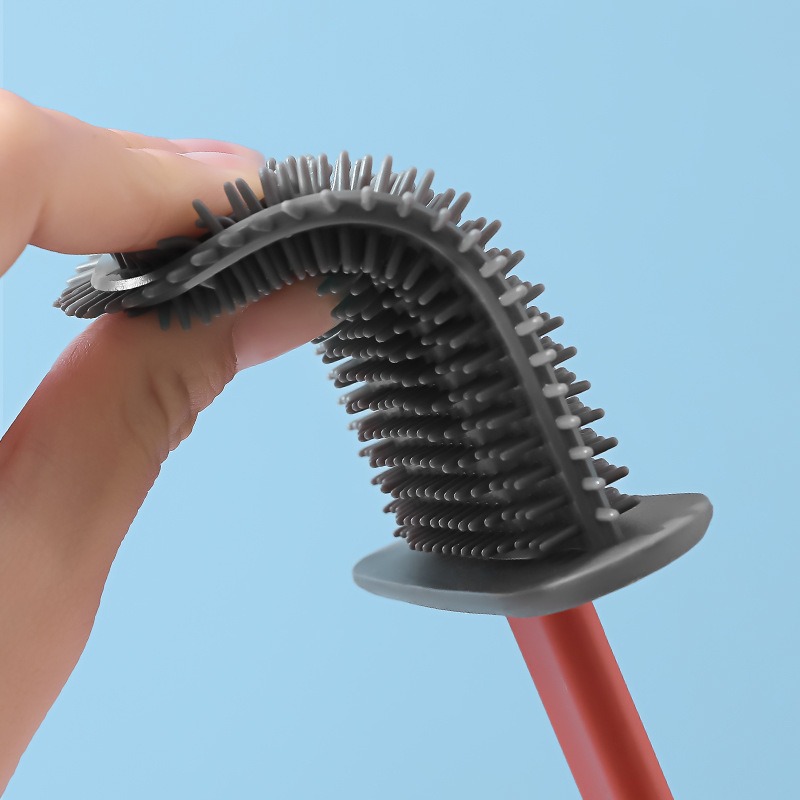
A toilet brush is a tool for cleaning a toilet bowl.
Generally the toilet brush is used with toilet cleaner or bleach
A toilet brush is a tool for cleaning a toilet bowl.
Generally the toilet brush is used with toilet cleaner or bleach. The toilet brush can be used to clean the upper area of the toilet, around the bowl.[1] However, it cannot be used to clean very far into the toilet’s U-bend and should not be used to clean the toilet seat.[2]
In many cultures it is considered impolite to clean away biological debris without the use of chemical toilet cleaning products, as this can leave residue on the bristles. By contrast, others consider it impolite not to clean away biological debris immediately using the toilet brush.[3]
A typical toilet brush consists of a hard bristled end, usually with a rounded shape and a long handle. Today toilet brushes are commonly made of plastic, but were originally made of wood with pig bristles or from the hair of horses, oxen, squirrels and badgers.[4] The brush is typically stored in a holder, but in some cases completely hidden in a tube.
An electric toilet brush is a little different from a normal toilet brush. The bristles are fastened on the rotor of a motor which works similar to an electric tooth brush. The power supply is attached without any metal contact via electromagnetic induction.
In recent years, there has been a general shift in design with a new emphasis on ergonomically designed brushes. Further design enhancements have included innovative holders that snap shut around the bristled end, thereby preventing the release of smells, germs and other unpleasantries.[5]
Further development of the traditional toilet brush focus on the risk of germ incubation within the brush holder. A toilet brush has been patented which introduces a reservoir of anti-bacterial fluid, allowing the brush to be dipped and sanitized after each use.[6]
The first successful artificial Christmas tree was made from brush bristles by Addis using the same machinery used to manufacture its toilet brushes.[7] The trees were made from the same animal-hair bristles used in the brushes, except they were dyed green.[8][9]


There are no enquiries yet.
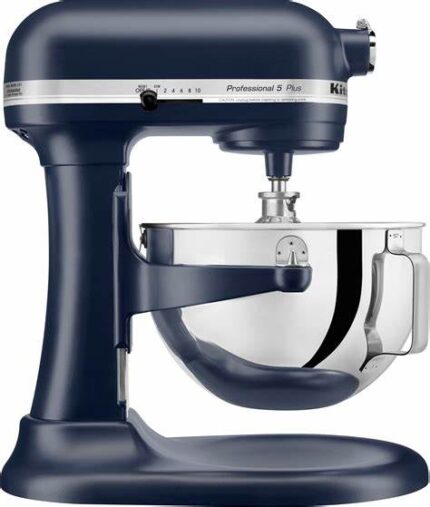
KitchenAid is an American home appliance brand owned by Whirlpool Corporation. The company was started in 1919 by The Hobart Manufacturing Company to produce stand mixers; the "H-5" was the first model introduced
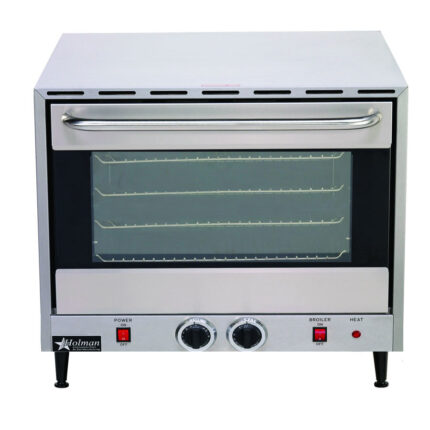
An oven is a tool which is used to expose materials to a hot environment. Ovens contain a hollow chamber and provide a means of heating the chamber in a controlled way.[1] In use since antiquity, they have been used to accomplish a wide variety of tasks requiring controlled heating.[2] Because they are used for a variety of purposes, there are many different types of ovens. These types differ depending on their intended purpose and based upon how they generate heat.
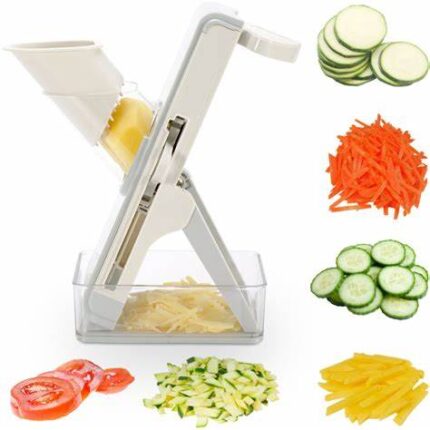
In this guide, we will not talk about manual slicers. The reason is that manual machines are only suitable for non-professional contexts such as home kitchens, and we strongly suggest choosing an automatic model for any other application, even if you have a small food store. Automatic slicers are safer, quicker, more precise and optimized for cleaning, so they are also more hygienic. Thanks to their automatic mechanism, they take more time to tire the user and do not need particular strength to be used.
No account yet?
Create an Account






Reviews
There are no reviews yet.